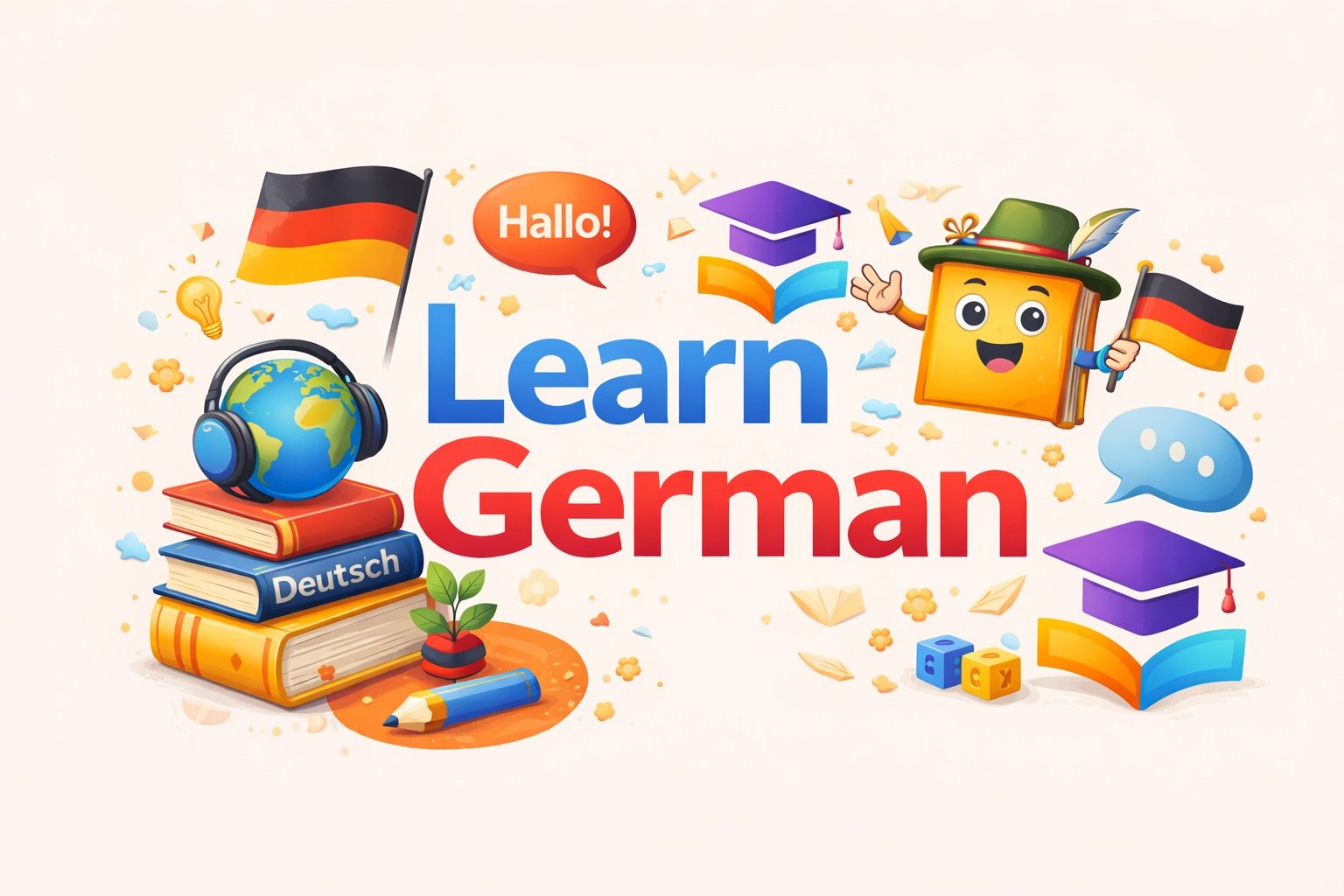
Learning German can support academic goals, career development, international travel, higher education, and professional communication. A structured course helps learners develop German language proficiency step-by-step with structured training in speaking, listening, reading, writing, grammar, and vocabulary. Beginners can start with greetings, numbers, introductions, common expressions, and basic sentence patterns before moving toward more advanced communication skills.
A practical German language program combines grammar knowledge with speaking, listening, reading, and writing activities. This balanced approach helps learners understand the language clearly and use it confidently in real-life situations.
Key areas covered include:
Speaking Practice: Build confidence through introductions, role plays, workplace discussions, travel conversations, and everyday interactions.
Listening Skills: Improve comprehension through dialogues, instructions, conversations, and practical listening exercises.
Grammar Training: Learn German sentence structure, articles, cases, verb conjugations, tenses, pronouns, adjectives, and essential grammar rules.
Vocabulary Development: Expand useful vocabulary for education, travel, business, family, shopping, work, and social situations.
Reading Skills: Practice short texts, notices, articles, dialogues, and gradually more advanced reading materials.
Writing Practice: Develop skills for sentences, paragraphs, emails, descriptions, formal communication, and structured writing.
Pronunciation Support: Improve clarity, word stress, speaking rhythm, and accurate pronunciation for better communication.
Whether you are learning German for studies, employment, relocation, business, travel, or personal growth, consistent practice can help you develop German language proficiency step-by-step with structured training in speaking, listening, reading, writing, grammar, and vocabulary while building confidence for academic, professional, and everyday communication.
 More Courses